
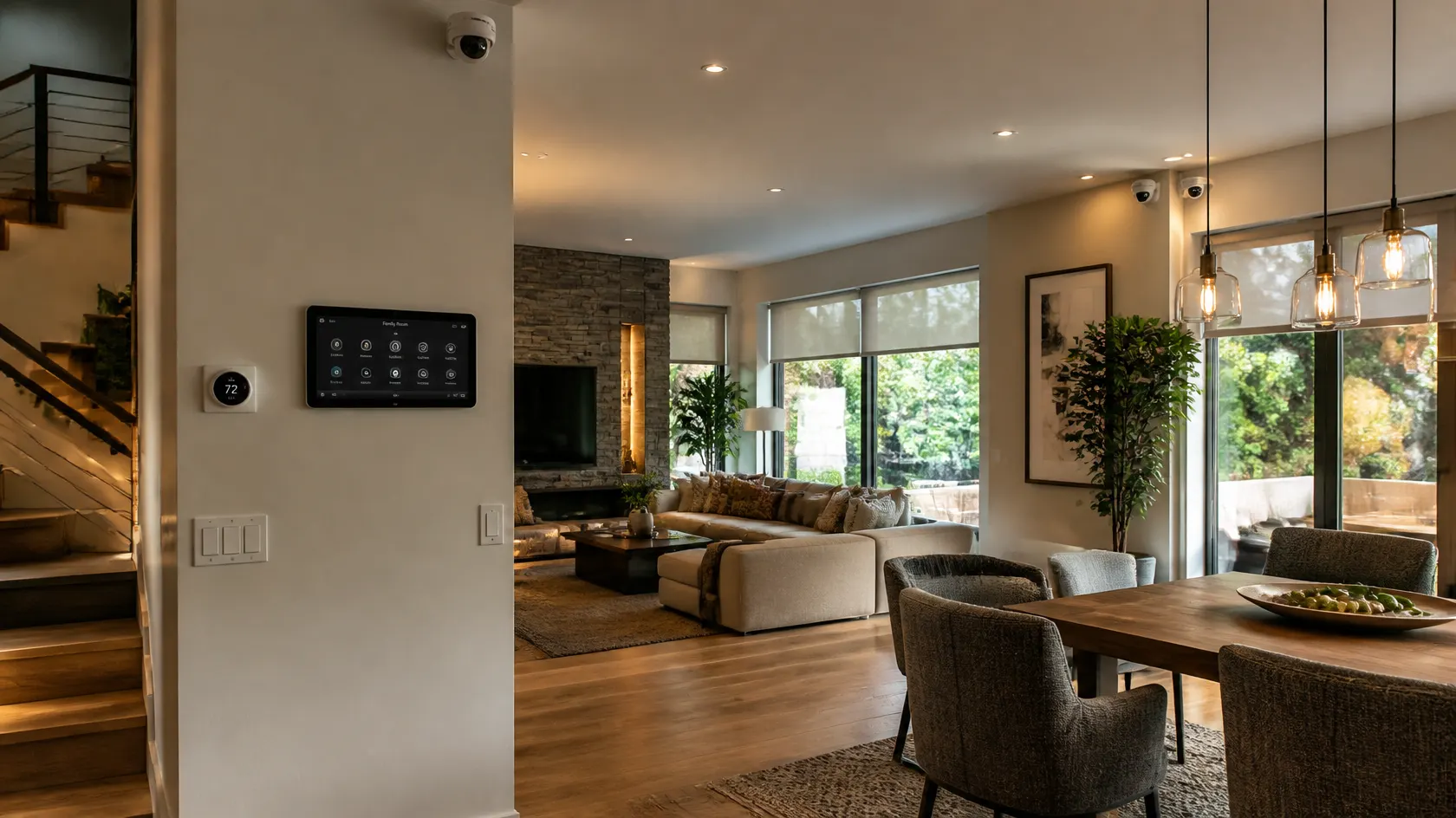
Modern homes are becoming more connected as technology continues to change the way people manage household activities. From controlling lights to monitoring home security, smart devices provide practical solutions that make everyday responsibilities easier and more convenient.
Smart Technology Solutions help homeowners manage household equipment through connected devices, mobile applications, and automated controls. These technologies allow people to simplify daily routines, improve home comfort, and manage different household functions more efficiently.
Understanding Smart Technology Solutions
Smart technology connects electronic devices and digital systems to support everyday household activities. These technologies allow users to control equipment, monitor conditions, and manage different functions through smartphones or centralized platforms.
Many households are adopting Connected Home Automation to simplify routine activities. Instead of manually operating every appliance, users can rely on connected systems to perform selected tasks automatically.
How Connected Technology Supports Home Activities
Connected technology allows household devices to communicate through wireless networks and compatible platforms. Homeowners can control lighting, monitor security cameras, and adjust certain appliances using mobile applications.
These functions make household management more convenient, especially for people with busy schedules who want to control their homes remotely.
Common Smart Devices for Modern Households
Modern households use various smart devices, including connected bulbs, smart plugs, security cameras, thermostats, and voice assistants. Each device offers different functions that support comfort, security, and convenience.
Some products focus on controlling electrical equipment, while others help monitor indoor conditions or provide information about household activities.
Benefits of Automating Everyday Home Tasks
Automation helps reduce repetitive activities and allows people to manage household responsibilities more efficiently. Users can schedule lighting, control compatible appliances, and receive notifications from connected devices.
Bill Gates once explained, “The advance of technology is based on making it fit in so that you don’t really even notice it, so it’s part of everyday life.” This idea reflects how useful smart technology becomes when it naturally supports everyday routines.
Building Connected Home Automation Systems
Building a connected home requires more than purchasing several smart devices. Homeowners should consider how each product communicates, which platforms it supports, and whether the devices can operate together.
A well-planned system makes household controls easier to manage. It also helps prevent compatibility problems that may occur when combining products from different manufacturers.
Controlling Lighting and Electrical Appliances
Smart lighting and electrical controls allow users to operate compatible equipment through applications, voice commands, or scheduled settings. For example, lights can be programmed to turn on at specific times, while smart plugs can help control connected appliances.
These features provide flexibility and reduce the need for manual operation throughout the day.
Managing Temperature and Home Comfort
Smart thermostats and temperature sensors help monitor indoor conditions and adjust compatible heating or cooling systems. Users can select preferred temperature settings and create schedules based on their daily activities.
These functions can improve indoor comfort and help households manage energy consumption more carefully.
Connecting Smart Devices Through Centralized Controls
Centralized controls allow multiple compatible devices to operate through one application or smart home platform. Users can manage lighting, security equipment, and other connected products without switching between different applications.
Before connecting devices, homeowners should check supported platforms, wireless standards, and integration requirements.
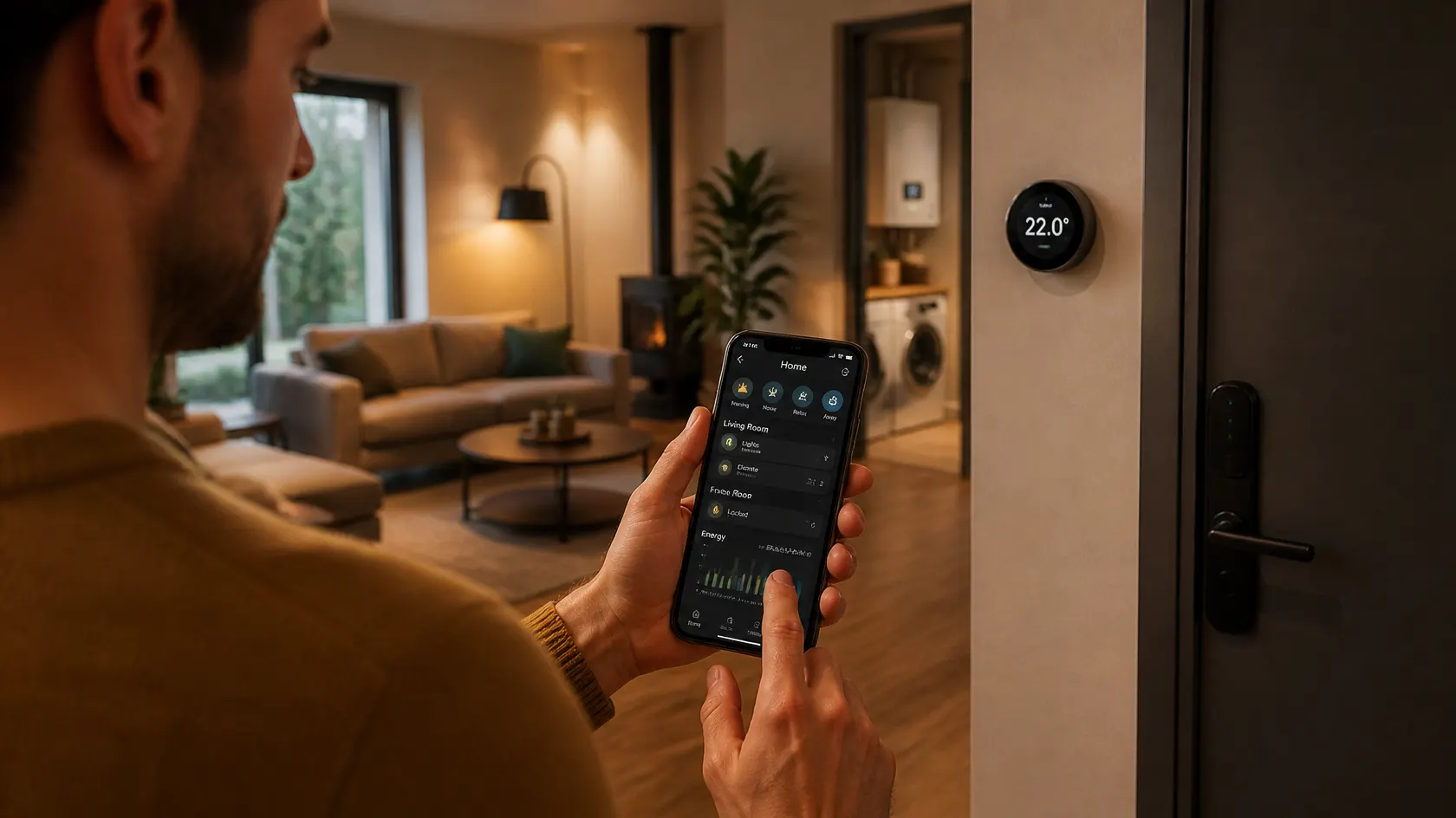
Improving Household Efficiency With Smart Technology
Smart technology can improve household efficiency by reducing unnecessary activities and providing better control over connected equipment. However, users need to understand how these systems work to receive practical benefits.
Automated routines can support everyday activities by allowing electronic systems to respond to specific conditions. This makes household management more organized and reduces the need for constant manual attention.
Creating Automated Daily Home Routines
Automated routines allow users to schedule several device actions based on time or specific conditions. For example, a morning routine can activate selected lights, while an evening routine can switch off unnecessary appliances.
These settings help households maintain consistent routines and manage daily activities more conveniently.
Monitoring Energy Consumption and Usage
Some smart devices provide information about electricity consumption and operating patterns. Smart plugs and energy monitoring systems can help users identify appliances that consume significant amounts of electricity.
By reviewing this information, homeowners can adjust usage habits and reduce unnecessary energy consumption.
Maintaining Security Across Connected Devices
Connected devices should be protected against unauthorized access and potential security threats. Users should create strong passwords, enable available security features, and regularly update device software.
Securing home Wi-Fi networks is also important because many smart devices depend on internet connectivity to operate properly.
Make Your Home More Efficient With Smart Technology
Smart technology provides practical ways to improve household activities, communication, and daily routines. By combining connected devices, sensors, and automated controls, people can manage everyday responsibilities more efficiently.
Start by identifying household tasks that take the most time and choose compatible devices that address those needs. With proper planning and responsible use, smart technology can make modern homes more convenient and organized.