
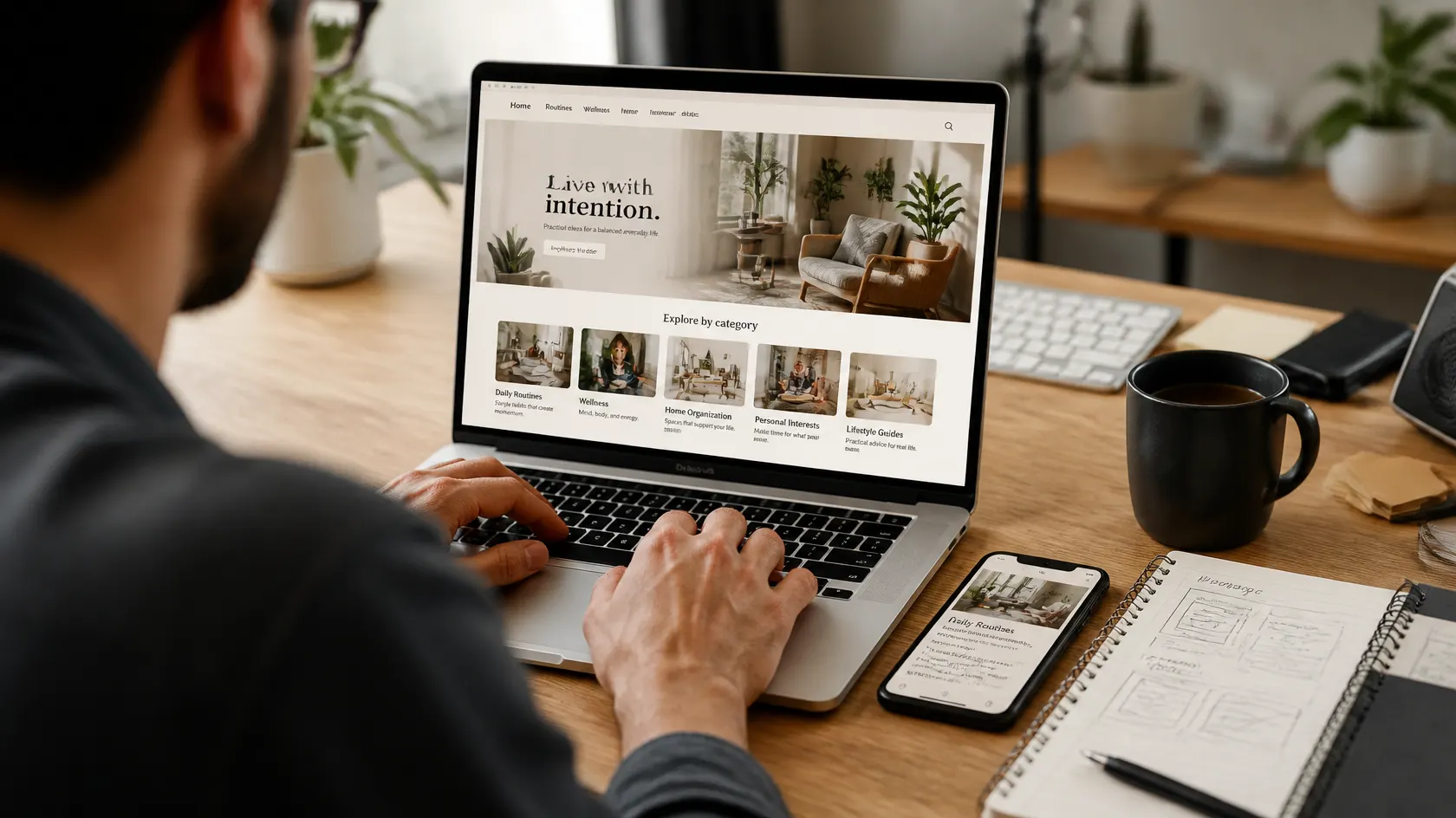
Lifestyle websites provide digital spaces where visitors can discover information, explore personal interests, and find practical ideas for everyday activities. Topics such as food, travel, wellness, hobbies, and home improvement require thoughtful content presentation to accommodate different audiences.
Lifestyle Website Design focuses on creating attractive and accessible digital environments that support everyday browsing needs. By combining organized content, readable layouts, and useful website features, designers can develop platforms that encourage visitors to explore information comfortably.
Understanding Lifestyle Website Design
Lifestyle websites often cover multiple subjects and attract visitors with different interests. Their design should make information easy to discover while maintaining a consistent visual identity throughout the platform.
How Lifestyle Websites Serve Different Audiences
Lifestyle websites can provide inspiration, educational resources, practical advice, and entertainment. Their audiences may include individuals looking for recipes, travel recommendations, fitness guidance, or home organization ideas.
Understanding these interests helps website owners determine which content deserves priority. A clear structure also allows visitors to discover relevant information without navigating through unnecessary sections.
Identifying Content Needs and Visitor Expectations
Visitors generally expect lifestyle websites to provide useful, readable, and relevant information. Content should address common questions while presenting practical suggestions that readers can apply to everyday situations.
Website owners can identify these expectations through audience research, search behavior, and visitor feedback. This information helps determine suitable topics and content formats.
Choosing Visual Styles for Lifestyle Topics
Visual presentation influences how visitors perceive lifestyle content. Natural photography, balanced color combinations, and readable typography can create an appealing environment that reflects the website’s subject.
Different topics may require different visual approaches. A travel website might emphasize destination photography, while a wellness platform may benefit from calm colors and minimal layouts.
Creating User Centered Website Layouts
Effective website layouts prioritize visitor needs by making content understandable and navigation straightforward. Applying User Centered Layouts helps designers organize information according to how audiences browse and interact with digital platforms.
Organizing Content for Easy Navigation
Well-organized navigation allows visitors to locate information quickly. Categories, menus, search features, and related article sections help connect different topics throughout a website.
Content should follow a logical hierarchy so readers can understand the relationship between major categories and individual articles. Consistent navigation also reduces confusion when visitors explore multiple pages.
Designing Readable Pages for Different Devices
Lifestyle websites should provide comfortable reading experiences across smartphones, tablets, and desktop computers. Responsive layouts adjust content positioning and image dimensions according to available screen space.
Readable typography, appropriate paragraph spacing, and clear headings improve content accessibility. These elements help visitors enjoy articles without unnecessary scrolling or visual distractions.
Using Images and Visual Elements Effectively
Images help explain ideas, illustrate activities, and make lifestyle content more engaging. Relevant photographs can support articles about cooking, travel destinations, interior decoration, and personal wellness.
Designers should optimize image sizes to maintain loading performance. Consistent image styles also strengthen the website’s visual identity.
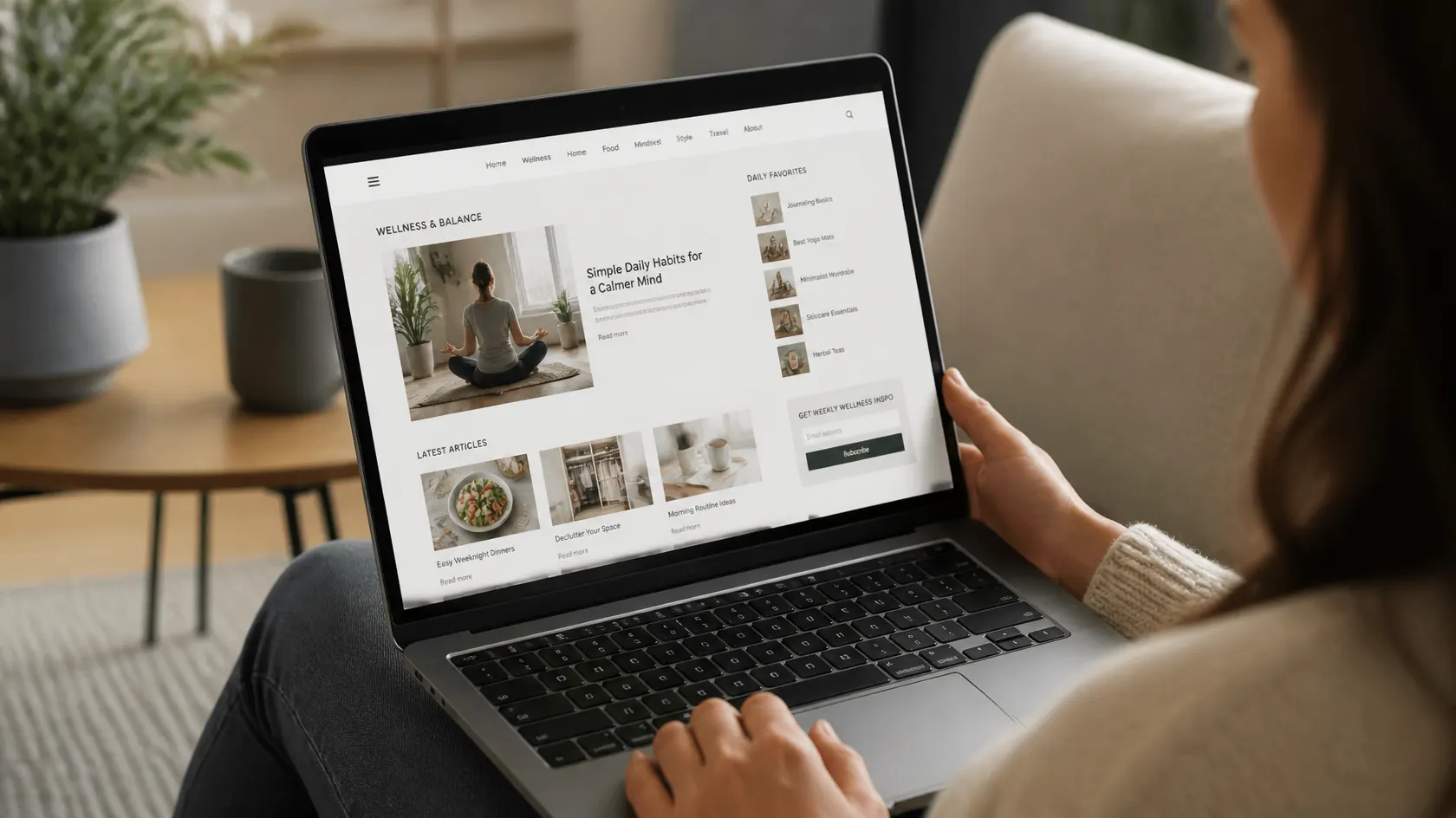
Improving Everyday Website Experiences
A useful lifestyle website should provide more than attractive article pages. Additional features, consistent design standards, and continuous evaluation help create experiences that encourage visitors to return.
Developing Useful Features for Lifestyle Visitors
Lifestyle platforms can include practical features such as recipe filters, reading lists, interactive guides, and newsletter subscriptions. These tools help visitors discover content based on their interests.
Personalized recommendations can also connect readers with relevant articles. However, features should remain simple and provide clear benefits rather than making navigation unnecessarily complicated.
Maintaining Consistent Design Across Pages
Consistency helps visitors recognize the website’s structure and understand how its features work. Using standardized typography, colors, buttons, and navigation elements creates a unified browsing experience.
Design guidelines also make website maintenance easier. When new articles or sections are published, developers can follow established visual standards to preserve the overall appearance.
Evaluating Website Usability Through Visitor Feedback
Visitor feedback provides valuable information about website performance and usability. Comments, surveys, engagement metrics, and navigation patterns can reveal which features work effectively and which areas need improvement.
Website owners should review this information regularly and make adjustments based on actual visitor needs. Continuous evaluation helps maintain a relevant and accessible platform.
Create a Lifestyle Website That Meets Everyday User Needs
Designing a successful lifestyle platform requires a balance between useful information, attractive presentation, and convenient functionality. By understanding audience expectations and applying consistent design principles, website owners can create digital experiences that support everyday interests. Focus on practical improvements and meaningful content to build a lifestyle website that visitors enjoy exploring.
Expert Insight: Steve Jobs explained, “Design is not just what it looks like and feels like. Design is how it works.” This principle is particularly relevant to lifestyle websites because visual appeal should always support content accessibility and everyday usability.