
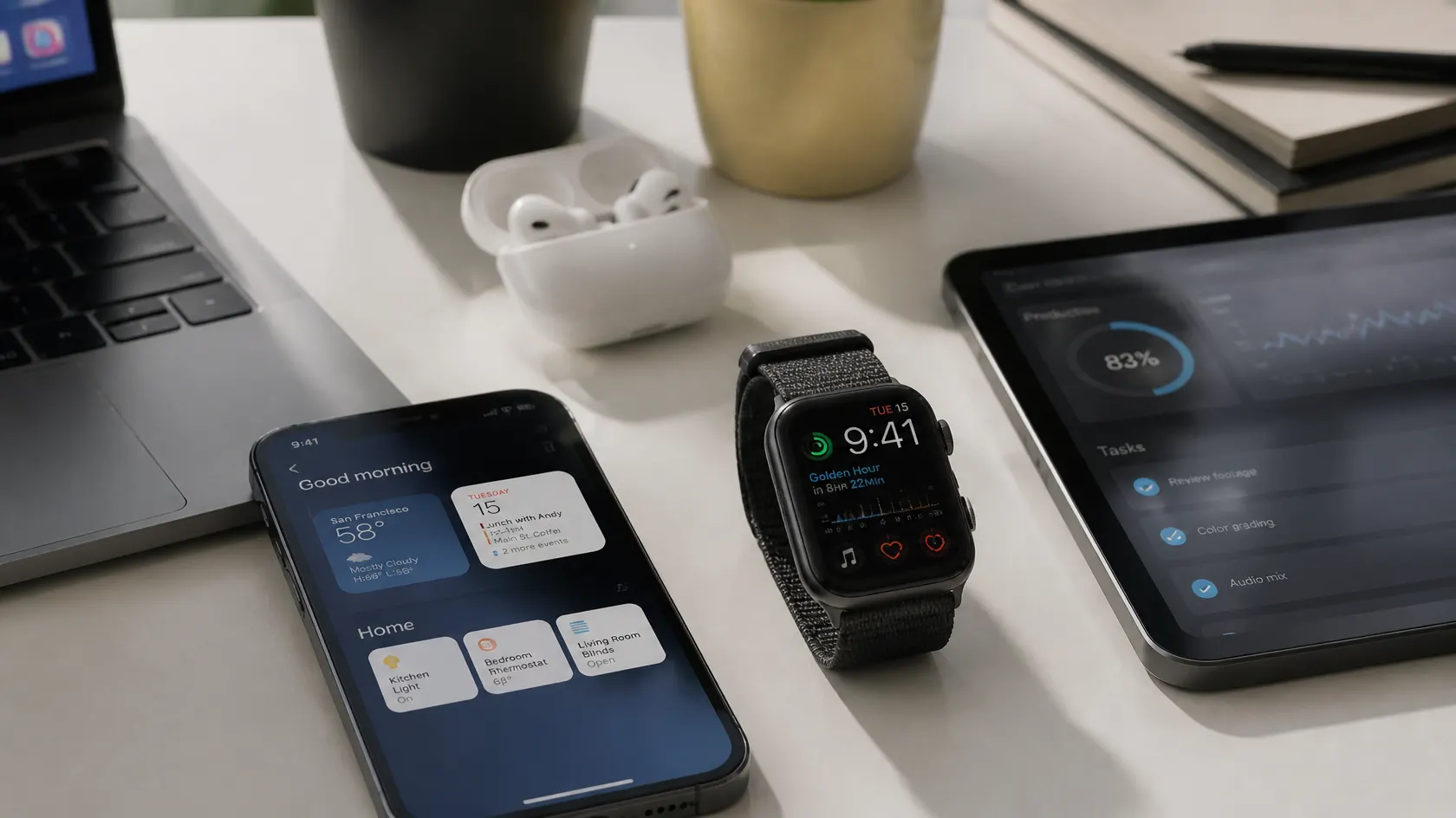
Electronic devices have become essential tools in modern society. People use smartphones, laptops, televisions, and household appliances to communicate, work, study, and complete everyday activities. As technology develops, manufacturers continue introducing new features that make these devices more practical and convenient.
Electronics Device Features play an important role in improving how people interact with modern technology. From better displays and longer battery life to wireless connectivity and smart sensors, these developments help consumers enjoy more efficient and comfortable digital experiences.
Understanding Modern Electronics Device Features
Modern electronic devices offer various functions designed to simplify everyday activities. Manufacturers introduce new technologies to improve usability, increase performance, and provide solutions for common consumer needs. These improvements can be found in personal electronics as well as household equipment.
Bill Gates once explained this idea by saying, “The advance of technology is based on making it fit in so that you don’t really even notice it, so it’s part of everyday life.” This reflects how useful technology becomes part of people’s daily routines.
How Electronic Features Improve Daily Use
Electronic features help people complete everyday activities more conveniently. Smartphones provide navigation, communication, and digital payment functions, while laptops support online learning, office work, and entertainment.
These practical improvements reduce the effort needed to perform common tasks. Users can also access information and digital services more easily through devices they already use.
Innovations in Smartphones and Laptops
Modern smartphones include improved cameras, biometric security, faster processors, and advanced connectivity options. These features allow users to capture better photographs, protect personal information, and run multiple applications.
Laptops also continue to improve through lighter designs, faster storage, higher-resolution displays, and better battery efficiency. Such developments support students, professionals, and people who regularly work with digital content.
New Functions in Household Electronics
Household electronics are becoming more convenient through automation and smart connectivity. Modern refrigerators may include temperature monitoring, while washing machines can offer different washing programs and energy-saving settings.
Smart televisions also provide access to streaming platforms and internet-based entertainment. These functions allow households to manage daily activities with greater flexibility.
Exploring Modern Hardware Innovations
Modern Hardware Innovations continue to influence the design and capabilities of electronic devices. Manufacturers focus on developing components that improve speed, efficiency, durability, and user comfort.
These improvements are not limited to processing power. Display quality, charging technology, and wireless communication also contribute to a better overall experience.
Advances in Display and Touchscreen Technology
Display technology has improved through higher resolutions, better color accuracy, and smoother refresh rates. OLED and AMOLED screens, for example, offer vibrant colors and strong contrast in compatible devices.
Touchscreen improvements also make interactions more responsive. Users can navigate applications, edit documents, and control device functions through simple gestures.
Improvements in Battery and Charging Systems
Battery development is important because consumers want devices that can operate throughout busy daily schedules. Manufacturers continue improving battery efficiency to reduce unnecessary power consumption.
Fast charging technology also helps users restore battery levels in less time. Some devices support wireless charging, providing another convenient way to recharge compatible electronics.
Smart Sensors and Wireless Connectivity
Smart sensors allow electronic devices to detect environmental conditions and respond to user activities. Smartphones commonly use proximity, light, and motion sensors to support different functions.
Wireless technologies such as Bluetooth, Wi-Fi, and NFC also make it easier for devices to exchange information. These connections support wireless headphones, smart home equipment, and contactless payments.

How New Features Influence Device Performance
New electronic features can improve performance, but their practical value depends on how well they support user requirements. A device with advanced specifications may not always be the best choice if its features are unnecessary for everyday activities.
Consumers should consider usability, compatibility, reliability, and long-term value before choosing new electronics. Understanding these factors helps people make more informed purchasing decisions.
Comparing Traditional and Modern Electronics
Traditional electronic devices generally provide simpler functions and fewer connectivity options. Modern devices offer additional capabilities, including automation, wireless communication, and advanced digital interfaces.
However, older electronics may still be suitable for users who only need basic functions. The best option depends on individual requirements, available budgets, and intended usage.
Evaluating Practical Benefits for Consumers
Consumers should evaluate whether new features provide meaningful improvements. For example, longer battery life can benefit people who travel frequently, while improved cameras may be useful for content creators.
Other considerations include device durability, maintenance costs, energy efficiency, and ease of use. Comparing these factors helps consumers avoid paying for features they rarely need.
Understanding Compatibility With Existing Devices
Compatibility is important when introducing new electronics into an existing digital environment. Some accessories, applications, and wireless devices may only support particular operating systems or connection standards.
Checking compatibility before purchasing helps prevent unnecessary expenses. Consumers should review supported connections, software requirements, and accessory availability to ensure their devices work together properly.
Explore New Electronics Features for Smarter Everyday Use
New electronics features continue changing how people interact with technology at home, school, and work. Improvements in displays, batteries, sensors, and wireless connectivity provide practical benefits for different types of users.
Before choosing a new device, consider which features genuinely support your daily activities. Understanding modern technology and comparing available options can help you select electronics that offer convenience, reliable performance, and long-term value.